Source Hotfix Hypoallergenic Glass Rhinestones for Shirts Shoes Bags
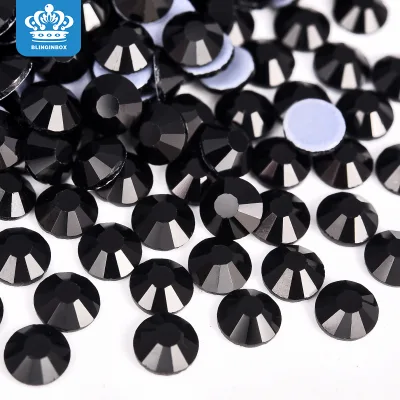
Compare 30 listings of Hotfix Hypoallergenic Glass Rhinestones suitable for shirts, shoes, and bags. These flatback stones feature strong durable glue and come in various sizes from Ss3 to Ss40 with 8 to 18 facets for garment and nail art decoration.
Key considerations
Products List




Comprehensive Sourcing Guide
Strategic Sourcing Guide for Hot-Fix Hypoallergenic Glass Rhinestones
Procuring hot-fix hypoallergenic glass rhinestones requires a disciplined approach that balances aesthetic requirements with technical specifications and supply chain reliability. The global market for these decorative elements is vast, yet the specific intersection of hypoallergenic properties, glass composition, and hot-fix application demands precise verification. Buyers must navigate a landscape where product attributes vary significantly between listings, and assumptions about material safety or performance can lead to costly production errors. This guide outlines the critical factors for sourcing these components, grounded in observed market data and established industry practices for textile and accessory decoration.
Understanding Material Composition and Physical Specifications
The foundation of any successful procurement strategy for rhinestones lies in verifying the material composition and physical dimensions. In the current market, the primary material observed for high-quality hot-fix stones is glass, often described in listings as "Glass, crystal" or simply "Glass." While some entries mention "Glass, crystal, adhesive," the core component remains the glass substrate, which offers superior light refraction and durability compared to acrylic alternatives. The hypoallergenic nature of these stones is primarily derived from this glass composition, which is inherently inert and non-irritating to the skin, provided the adhesive layer is also compatible.
Buyers must scrutinize the size specifications, as these directly impact the visual density and application method. Market data indicates a wide range of available sizes, from small dimensions like Ss3 to larger formats up to Ss50 or Ss40. Specific listings show sizes ranging from 2mm to 10mm, or defined in the "Ss" (Swarovski size) system such as Ss4, Ss6, Ss8, Ss10, Ss12, Ss16, Ss20, and Ss30. The selection of size is not merely aesthetic; it dictates the heat settings required for the hot-fix application and the spacing on the final garment.
The physical structure of the rhinestone is equally critical. The "Flatback" style is the standard for hot-fix applications, allowing the adhesive to bond directly to the fabric surface. The facet count is a primary driver of brilliance, with observed ranges typically falling between 8 and 18 facets. High-quality listings often specify "2088 Cuts" or a configuration of "8 Big+8 Small Facets," which maximizes light dispersion. The shape is predominantly "Round," though other geometric forms exist. When sourcing, buyers should request physical samples to verify that the facet count and cut quality match the supplier's description, as variations in the cutting process can significantly alter the stone's sparkle and perceived value.
Technical Application and Adhesive Performance
The "Hot-Fix" attribute is a defining characteristic that separates these stones from sew-on or glue-on alternatives. This technology relies on a heat-activated adhesive applied to the back of the stone. The observed market data highlights the presence of a "Strong Durable Glue" on the reverse side of the stones. This adhesive is designed to melt at specific temperatures, typically around 160°C to 180°C, allowing the stone to be pressed onto fabrics like shirts, coats, pants, and trousers using a specialized hot-fix applicator or heat press.
The compatibility of the adhesive with different fabric types is a crucial technical consideration. While the stones are suitable for "Garments, Shoes, Bags, Nail Art, Decoration," the success of the bond depends on the fabric's ability to withstand the required heat. Natural fibers like cotton and wool generally tolerate the heat well, whereas synthetic blends or delicate fabrics may require lower temperature settings or protective barriers. The "Type" of product is often listed as "Loose Rhinestones" or "Motif Rhinestone," indicating whether the buyer receives loose stones for custom application or pre-arranged designs.
For hypoallergenic claims to hold true in a finished product, the adhesive must not cause skin irritation. While the glass itself is safe, the chemical composition of the glue is the variable. Buyers should verify that the adhesive is free from common irritants and is suitable for "Daily Life" wear, particularly for products intended for "Women" or "Unisex" markets where skin contact is frequent. The "Age Group" for these products is generally listed as "All" or "Adults," suggesting broad applicability, but specific testing for sensitive skin may be required for children's wear.
Compliance, Certification, and Safety Verification
In the realm of textile accessories, compliance and safety certifications are paramount, especially when marketing products as hypoallergenic. The observed market data includes references to standards such as "SGS" and "glass rhinestones" as a product standard. SGS is a recognized inspection, verification, testing, and certification company, and a reference to this standard suggests that the supplier may have undergone third-party testing for quality or safety. However, buyers must distinguish between a supplier's general claim and specific, verifiable certification documents.
The provided data also mentions "OEKO-TEX" and "REACH" in the background context, though these are not confirmed as active standards for every listed product. OEKO-TEX Standard 100 is the industry benchmark for textile products that are free from harmful substances, making it a critical verification point for hypoallergenic claims. REACH (Registration, Evaluation, Authorisation and Restriction of Chemicals) is the European Union's regulation on chemicals, ensuring that substances in products do not pose risks to human health or the environment.
When evaluating a supplier, buyers should not rely solely on the presence of these terms in a product title. Instead, they must request valid, up-to-date test reports that specifically cover the rhinestone material and the adhesive layer. The absence of a specific certification in a listing does not necessarily indicate non-compliance, but it does require the buyer to initiate a verification process. For products intended for export to the EU or North America, ensuring compliance with local chemical regulations is a non-negotiable step in the procurement workflow.
Cost Drivers and Pricing Structure Analysis
The pricing of hot-fix glass rhinestones is influenced by several variables, including material quality, facet count, size, and order volume. The observed price range in the market spans from $0.01 to $25 per unit, a broad spectrum that reflects the diversity of product grades and packaging. Lower-priced items often correspond to smaller sizes, lower facet counts, or bulk packaging with less stringent quality control. Conversely, premium pricing is associated with high-cut stones (e.g., 2088 cuts), larger sizes, and specialized hypoallergenic adhesives.
The Minimum Order Quantity (MOQ) is another significant cost driver. Market data shows an MOQ range from 1 to 10,000 units. Some suppliers offer an MOQ of 10 bags, while others may have higher thresholds for custom colors or specific models like "HFS-4" or "RS-16." The "10 gross/bag" standard is a common packaging metric, but variations exist, such as "1440PCS Per Bag." Buyers must calculate the cost per piece based on the total bag count and the specific MOQ to determine the true unit cost.
Packaging also plays a role in the final cost. Options include "OPP Bag or Box," "Paper Bag or Polybag," and specific counts per package. Secure packaging is essential to prevent breakage during transit, especially for glass products. The "Delivery Time" is another factor; while some listings suggest a lead time of "Around 3~5 Days Upon Quantity," this can vary based on stock availability and the complexity of the order. Rush orders or custom specifications may incur additional fees or extend the lead time, impacting the overall procurement budget.
Supplier Evaluation and Quality Assurance Protocols
Selecting a reliable supplier requires a rigorous evaluation process that goes beyond the initial product listing. The origin of the products is a key indicator, with "China" and specifically "Guangdong China (Mainland)" being the primary production hubs. Guangdong is known for its established manufacturing ecosystem for glass and textile accessories, but it also hosts a wide range of supplier quality levels. Buyers should verify the supplier's production capacity and history, ensuring they have the infrastructure to maintain consistent quality.
Quality assurance should be a continuous process. The "Quality" attribute in listings often claims "High Quality" or specific cut counts, but these are observations rather than guarantees. Buyers must implement a quality control protocol that includes receiving samples, inspecting the facet clarity, checking the adhesive strength, and verifying the color consistency. The "Rhinestone Color" is listed as "Various Colors" or "Coloured," but color matching can be challenging due to variations in lighting and batch differences.
Communication is also a critical component of supplier evaluation. The "Customization" attribute is marked as "Available," indicating that suppliers may offer tailored solutions for color, size, or packaging. However, the ability to deliver on customization requests depends on the supplier's technical capabilities. Buyers should assess the supplier's responsiveness and their willingness to provide detailed technical data sheets. Payment terms such as "Bank Transfer, Paypal, Western Union" are common, but buyers should establish clear terms regarding deposits, balance payments, and dispute resolution mechanisms.
Long-Term Procurement and Application Strategy
For long-term success, buyers must develop a procurement strategy that accounts for the lifecycle of the product and the evolving needs of their customers. The "Usage" of these rhinestones extends beyond simple decoration to include "Shirts, Coats, Pants/Trousers," "Shoes," "Bags," and "Nail Art." Understanding the end-use environment is essential for selecting the right product. For instance, stones used on shoes require higher durability and flexibility than those used on a shirt collar.
The "Style" and "Shape" of the rhinestones should align with current fashion trends. The "Flatback" and "Round" styles are versatile, but the specific facet configuration and color palette must match the target demographic. The "Gender" and "Age Group" specifications, such as "Women," "Unisex," "All," or "Adults," help in segmenting the market and tailoring the product line. A strategic approach involves maintaining a diverse inventory of sizes and colors to meet varying customer demands without overstocking.
Shipping and logistics are also critical for long-term planning. The "Shipping" methods listed include "DHL, UPS, FedEx, TNT," which offer reliable international delivery. However, buyers should consider the cost and speed of these services in relation to their inventory turnover rates. Establishing a relationship with a supplier that offers consistent lead times and reliable shipping can mitigate the risks of stockouts and production delays.
In conclusion, sourcing hot-fix hypoallergenic glass rhinestones requires a meticulous approach that combines technical knowledge with strategic supplier management. By focusing on material verification, compliance checks, cost analysis, and quality assurance, buyers can secure a supply chain that delivers high-quality products while meeting safety and performance standards. The market offers a wide array of options, but success lies in the ability to discern the true value and reliability of each offering through rigorous due diligence.
FAQs
What material are Hotfix Hypoallergenic Glass Rhinestones made of?
These rhinestones are primarily made of glass or crystal, offering superior light refraction. Some listings specify a combination of glass, crystal, and adhesive, ensuring the core component remains inert and non-irritating for skin contact.
How are these rhinestones applied to garments and accessories?
They are applied using a hot-fix technique that activates the strong durable glue on the back. This allows them to bond securely to shirts, coats, pants, shoes, and bags when pressed with heat at specific temperatures.
Which size specifications are available for these glass stones?
Available sizes range from Ss3 to Ss50, including specific measurements like 2mm to 10mm. Common options include Ss4, Ss6, Ss8, Ss10, Ss12, Ss16, Ss20, and Ss30 to suit various decorative needs.
Can buyers customize the color and packaging of these stones?
Yes, customization is available for colors, which include various shades and specific colored options. Packaging can be selected as OPP bags, boxes, paper bags, or polybags, often containing 1440 pieces per bag.
What is the typical lead time for delivery of these products?
The delivery time is typically around 3 to 5 days upon quantity confirmation. This timeline may vary slightly based on the specific order volume and the selected shipping method like DHL, UPS, or FedEx.
How many facets do these high-quality rhinestones typically have?
High-quality stones often feature 8 to 18 facets, with some specifying 2088 cuts or 8 big plus 8 small facets. This cut structure maximizes light dispersion and ensures a brilliant sparkle on the finished product.
What are the minimum order quantities for purchasing these rhinestones?
The minimum order quantity ranges from 1 to 10,000 units depending on the supplier. Some listings specify an MOQ of 10 bags, while others may have different thresholds based on the specific product model or customization.
Are these rhinestones suitable for hypoallergenic applications on clothing?
Yes, the glass composition is inherently hypoallergenic and safe for daily life wear on women and unisex garments. The adhesive is designed for durability, making them suitable for shirts, coats, and other items worn close to the skin.